
What Camera Systems and Control Cost, and What Moves the Price
Hannah Doyle
6 min read
A plain look at what sits behind a quote for camera selection, setup and remote control, and which choices push the figure up or down before a single cable is run.
Why one number rarely fits every studio
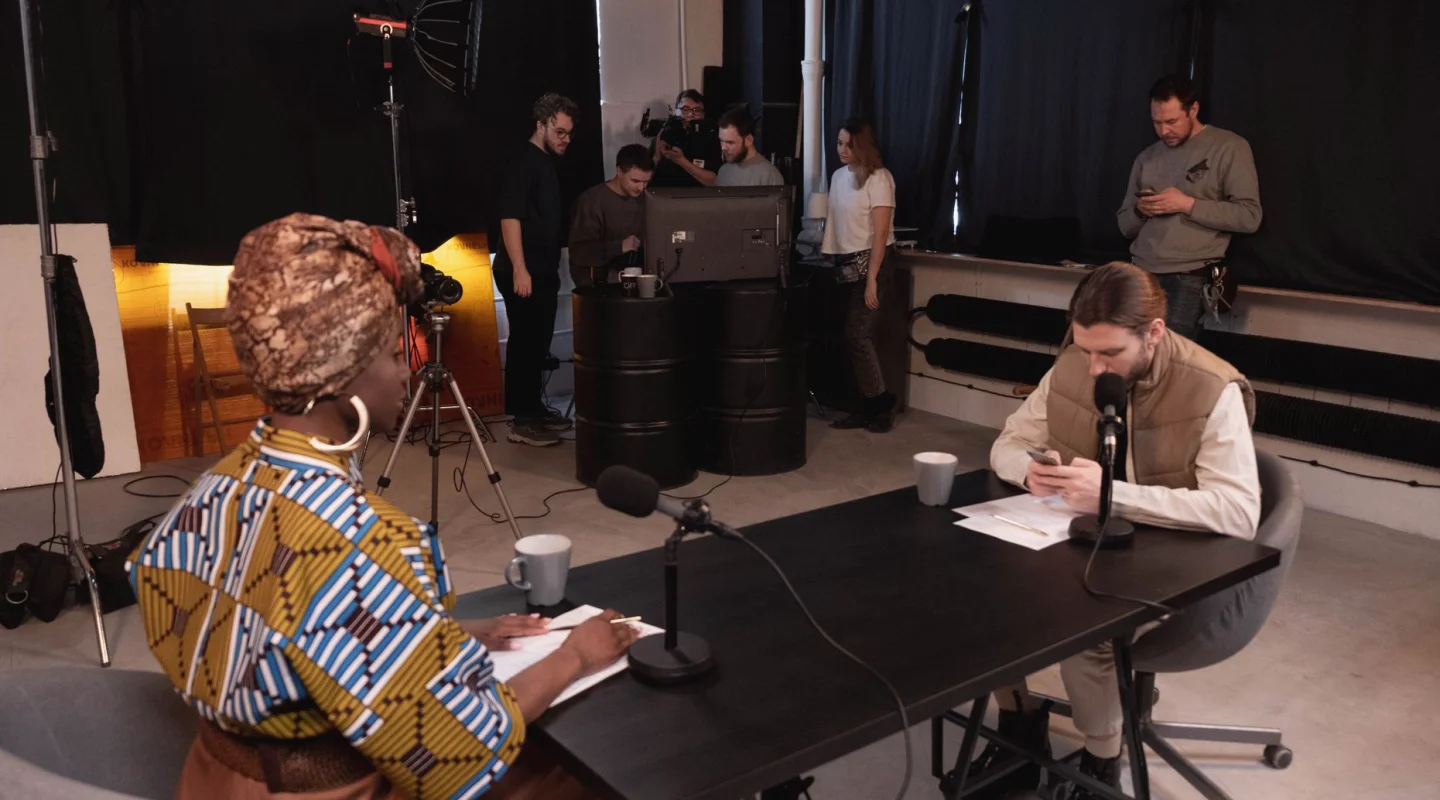
People often ask for a flat price for camera work, and the honest answer is that the same words cover very different jobs. A two-camera streaming room in a venue office and a six-camera studio feeding a regional programme both need cameras chosen, mounted, connected and controlled, yet the effort behind each is far apart. I write about sound, but I sit in enough planning meetings with Priya and the rest of the team to see how a quote takes shape.
The price follows time, equipment and risk. Time covers survey, specification, setup and rehearsal. Equipment covers the cameras, lenses, heads, controllers and cabling you buy or hire separately from us. Risk covers how little room for error the broadcast leaves. A show that goes out live to an audience leaves less slack than a recorded session, and planning accounts for that.
Selection: the first place the budget moves
Choosing cameras is where most of the later cost is decided. A camera that suits a small stage may lack the sensor or lens range for a large studio, and the reverse is just as wasteful. Our selection work compares what you shoot, how far the camera sits from the subject, how much light you have, and who will operate it. The fee for this stage is mainly our time, written up as a short recommendation you can take to any supplier.
Fixed cameras, operated cameras and remotely driven cameras sit at different price points once everything around them is counted. A robotic head costs more than a tripod, but it can save a camera operator's day rate across a long run. We lay out those trade-offs in plain figures so that the choice rests on what you will spend over a season, not on the sticker price alone.
- Number of cameras and whether they are fixed, operated or remotely driven
- Lens range needed for the room size
- Lighting levels the sensors must cope with
Setup and remote control configuration
Once the cameras are chosen, setup is a larger share of the cost than most clients expect. Mounting, levelling, matching colour between bodies, labelling, and building the control surface so each camera answers the right button all take hours that grow with every added unit. Remote control adds its own layer: network layout, addressing, preset positions and tally signals need to be configured and written down.
Matching several cameras so that skin tones and whites agree from one shot to the next is slow, careful work, and it is the part viewers notice if it is skipped. We usually allow time for it on the day and again at rehearsal, because lighting changes once people and sets are in place. Documentation of the final settings is included, so your own crew can restore the system after a power cut or a swap.
- Control surface or software panel and how many operators use it
- Preset moves programmed per camera
- Written settings record handed over at the end
What changes the price once the job begins
Several things alter a quote after the first conversation, and we would rather name them early. Venue access is one: a studio we can enter freely for a week costs less than a stage available for a few hours between other crews. Distance is another, since long cable runs, extra network switches and remote positions all add equipment and installation time.
Changes of scope matter too. Adding a camera, moving the control room, or switching from a recorded format to a live broadcast after the plan is agreed means redrawing signal paths and repeating testing. We note in the written quotation which assumptions it rests on, so a change can be priced against those lines instead of argued over. Out-of-hours work, travel beyond the south coast and short notice also change the figure and are shown separately.
- Access hours and how long the space is free
- Cable distances and network complexity
- Late changes to camera count or format
How to keep the cost sensible without cutting corners
Cost can come down without weakening the result, mostly through decisions made early. Tell us what you actually broadcast and how often, rather than what you might one day do. A system sized for next year's hopes carries a price today. Keep the first build modular, so a further camera can be added later with a defined step instead of a rebuild.
Hiring some gear for a single event while buying the pieces you use weekly is often the sound middle course, and we will say plainly where hire makes sense. Prepare a floor plan and a list of the shows planned for the first months before we meet. That saves survey time, and survey time is billed. Where a cheaper option would risk a dropped feed on a live night, we say so and explain why.
Reading a quotation and what follows
Our quotations are written, itemised and tied to the enquiry you send through the contact page. Each line names the stage it belongs to, selection, setup, configuration or handover, so you can see which part of the figure belongs to which decision. Equipment you buy from a supplier is kept apart from our fees, which keeps the comparison honest.
After you confirm in writing we issue an invoice, payable by bank transfer, and the work is scheduled around your access dates. If the plan changes we revise the document instead of adjusting figures verbally. The full figures for our services are on the Prices page, and the payment and refund policy explains how cancellations are handled.
Camera costs follow a short list of causes: how many cameras, how they are controlled, how hard the room is to work in, and how little room for error the broadcast allows. Understanding those causes lets you shape a brief that fits your budget and spot where a saving would cost you later. If you are weighing a project this winter, send us your floor plan and a list of planned shows, and we will itemise it.