
What Should a Festival Run Sheet Actually Contain?
Oliver Hartley
5 min read
The question we hear most about live event workflows is what belongs on a run sheet. Here is how we build one, line by line, so crews and organisers read the same page.
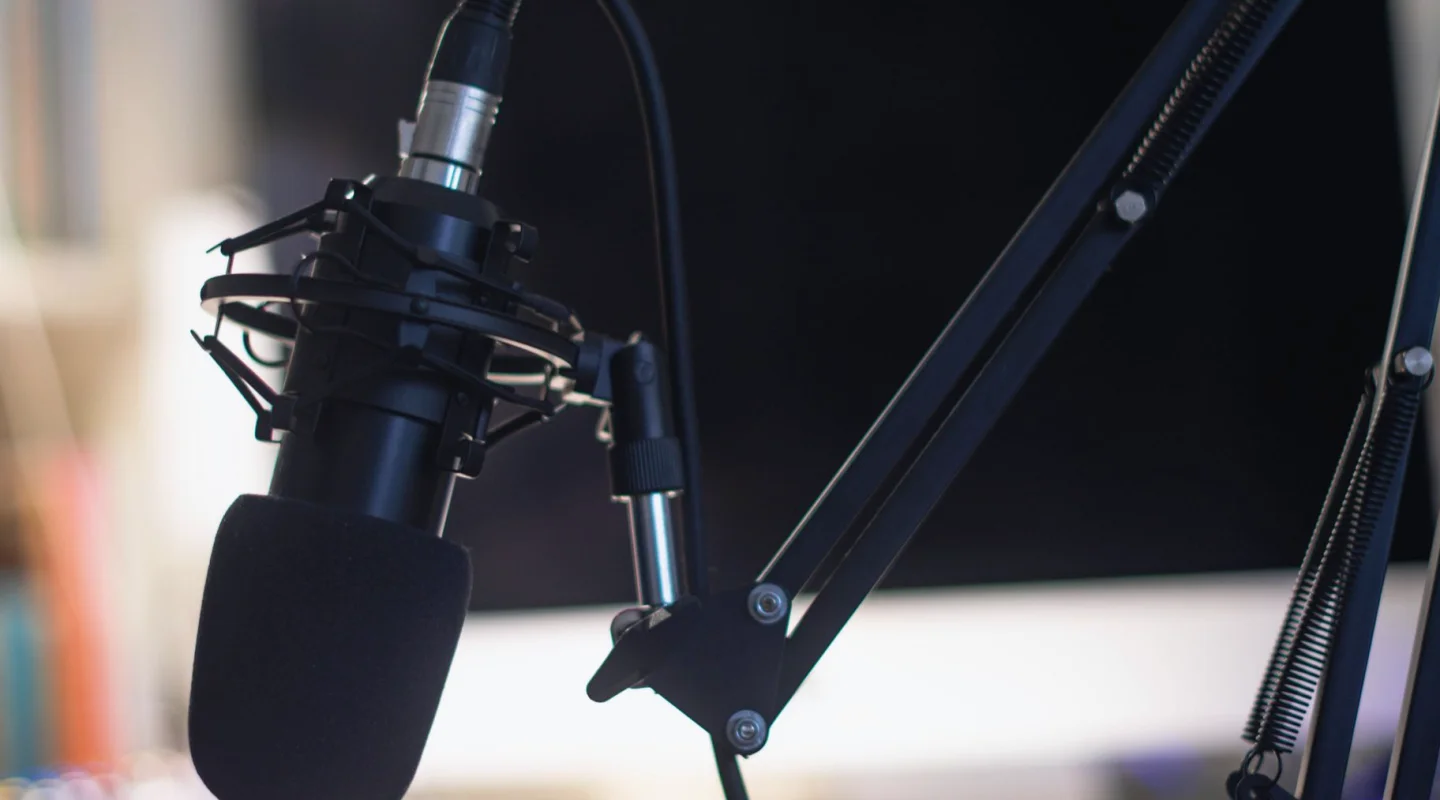
The question we hear most often
Almost every first conversation about a festival, a televised party or a venue's live stream arrives at the same place. The organiser asks what a run sheet should contain, and whether the one they have inherited from last year is good enough. It is a fair question, because the run sheet is the one document that everybody on site is meant to share.
I have been designing studios and advising on live productions for a long time, and the answer has barely changed. A run sheet is not a schedule of acts. It is a record of decisions: who does what, at what moment, using which signal path, and what happens if something slips. A timetable tells the audience when to arrive. A run sheet tells the crew when to act.
Start with the clock, then add the signal
Every line begins with a time, but we write two kinds. The first is the public time, the moment the audience or the broadcast expects something to happen. The second is the working time, which sits earlier and covers line checks, camera positions, cue lights and the walk from backstage. Crews who see only the public time arrive late to their own work.
Next to each time we note the signal route in plain words. Which stage input feeds which desk, which cameras are live to the vision mixer, which feed goes to the screens at the side of the stage and which goes to the stream. When the route is written beside the time, a technician who joins halfway through the day can still follow what is meant to be happening.
- Public time and working time as separate columns
- Source, destination and route for each live feed
- The person who calls or confirms each change
Name people, not departments
A line that reads sound to confirm is ambiguous by midday. A line that reads Hannah on front of house, confirming with the stage manager, is not. We put a named person against every action, along with one backup. On small events the backup may simply be whoever is standing nearest the desk, but writing it down forces the conversation to happen before the doors open.
Crew planning belongs in the same document. Breaks, handovers, load-in and load-out windows all affect whether the sheet can be followed. We have seen well-designed signal plans fall apart because the only person who understood the routing went for lunch at the wrong moment. A run sheet that ignores meal breaks is a wish rather than a plan.
Build in the gaps
Live events overrun. A band plays one song longer, a speaker arrives late, a presenter needs a moment. The sheet should show where time can be absorbed and where it cannot. We mark certain lines as fixed, such as a broadcast slot or a curfew, and others as flexible, so the person calling the show knows which changes are free and which cost something elsewhere.
We also write short fallbacks beside the riskiest lines. If a radio microphone fails during the opening, the note says which spare is waiting and who walks it out. If a camera feed drops, the note says which angle covers. These are never long. One sentence is enough, and it saves minutes of discussion at the worst possible moment.
- Mark fixed lines separately from flexible ones
- One-sentence fallbacks for the riskiest cues
Keep one version, and say who owns it
The most common failure is not a missing line but several versions in circulation. The production office prints one copy, the stage manager scribbles on another, and the sound team works from an emailed file from three days earlier. We ask for a single owner of the document, usually the production manager, and a clear rule that changes go through that person.
On the day, printed copies should show a version number and a time of issue in the corner. When a change is made, the old sheets are collected rather than left lying around the production desk. It sounds fussy, but a collected sheet is cheaper than a cue called from the wrong page in front of a full field.
Read it aloud before the day
Before any event we sit down with the heads of each department and read the run sheet aloud from the first working time to the last. It takes less than an hour for most festivals, and it reliably turns up two or three problems: two crews booked in the same place, a feed with no destination, a changeover with no time allowed to move equipment.
This reading is also where the organiser learns what the sheet means for their own decisions. A request to add a guest speaker at the last minute becomes a visible choice with a visible cost. That clarity is the real purpose of the document, and it is why we treat the question of what a run sheet contains as the foundation of our live event work.
A good run sheet is short enough to read in the dark and complete enough to run the event without its author present. It holds times, routes, names, fallbacks and one owner. If yours does that, you are better prepared than most. If it does not, the reading-aloud session described above is the quickest place to start, and the contact page is open for anything you want to talk through.